


In oil and gas drilling, controlling wellbore pressure is crucial to prevent dangerous blowouts. A Mud Gas Separator (MGS),
also known as a "poor boy degasser," is a key safety device that removes hazardous gases from drilling mud during a kick (uncontrolled influx of formation fluids).
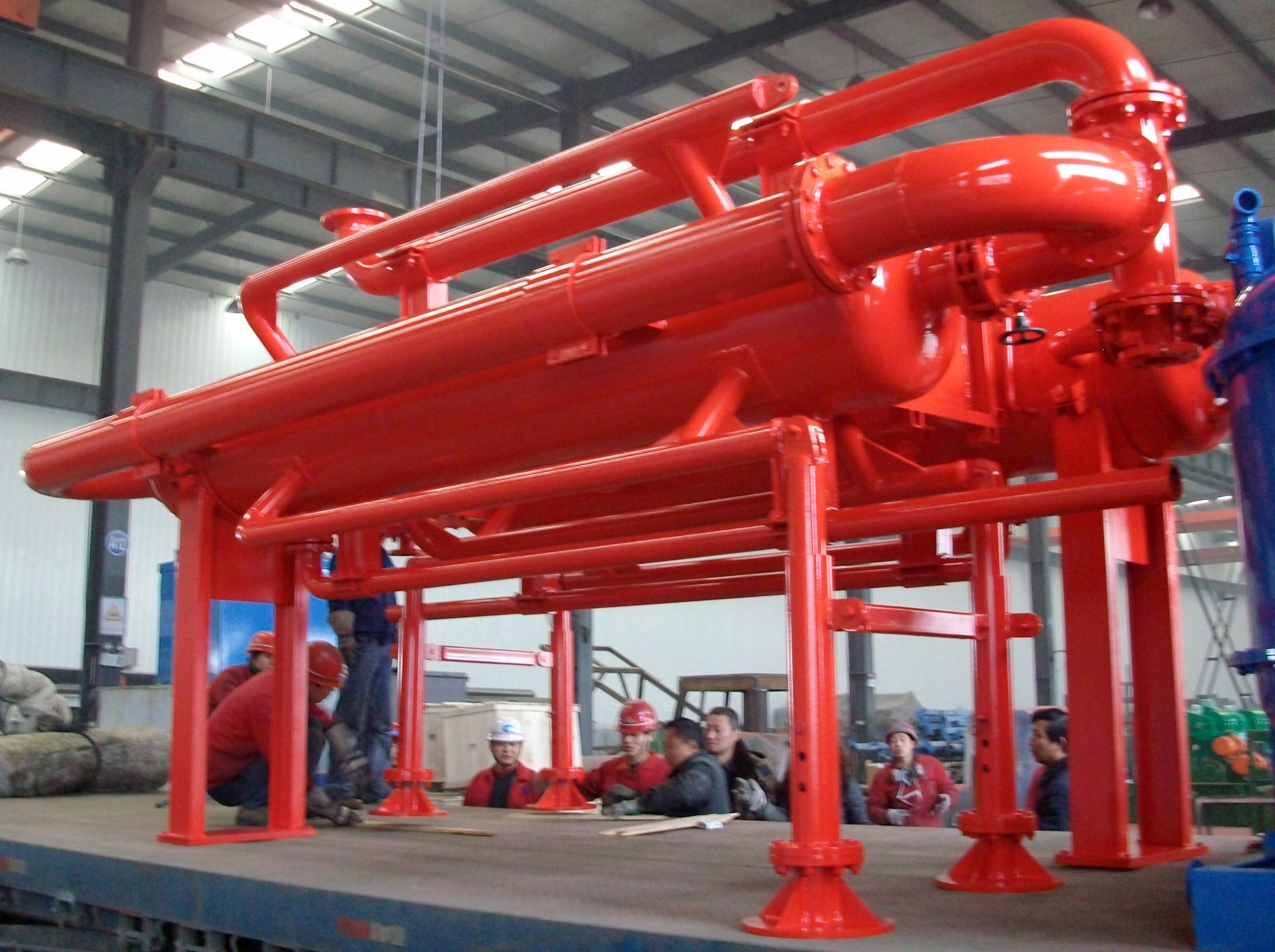
How a Mud Gas Separator Works
An MGS operates on gravity separation and baffling mechanisms to separate gas from drilling mud. The process involves:
-
Gas-Cut Mud Entry
-
Contaminated mud enters the MGS under pressure from the choke manifold.
-
The inlet is designed to reduce fluid velocity, allowing gas bubbles to rise.
-
-
Separation Chamber
-
Baffle plates disrupt mud flow, enhancing gas breakout.
-
Liquid-gas segregation occurs as gas rises to the top while mud settles.
-
-
Gas Venting
-
Separated gas exits through a vent line, typically routed to a flare stack.
-
Flame arrestors prevent ignition risks.
-
-
Degassed Mud Return
-
Clean mud exits the bottom and returns to the mud pits for recirculation.
-
Key Components of an MGS
-
Inlet & Outlet Nozzles – Control mud flow rate.
-
Baffles/Deflector Plates – Enhance gas separation.
-
Vent Line – Safely directs gas away from the rig.
-
Pressure Gauge & Safety Valves – Monitor and prevent overpressure.
Why MGS is Critical in Well Control
-
Prevents gas buildup in the mud system, reducing explosion risks.
-
Protects downstream equipment (e.g., shale shakers, degassers).
-
Complies with API RP 53 and other safety regulations.
A properly functioning MGS is a last line of defense before gas reaches the rig floor. Regular maintenance and correct operation are essential to prevent catastrophic failures.