


In solids control, separation equipment often takes center stage. Shale shakers, hydrocyclones and centrifuges are responsible for separating solids from drilling fluid, but before and between these processes, the material still needs to be transferred.
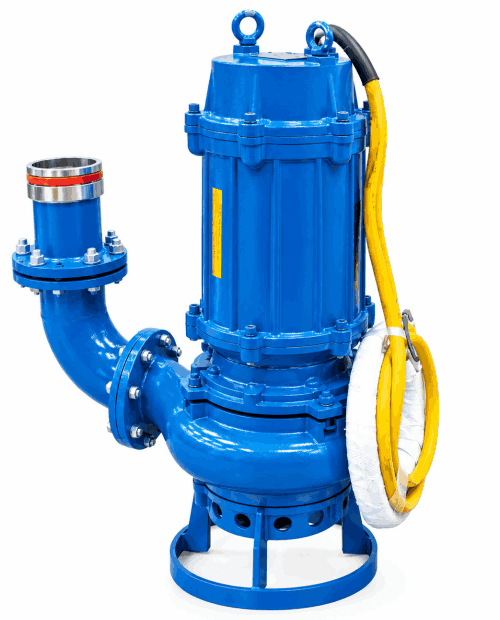
This is where a submersible slurry pump can play an important role.
Unlike conventional pumping arrangements, a submersible slurry pump operates directly in the slurry being handled. This makes the configuration particularly relevant to applications where mud or solid-containing liquid needs to be collected and transferred from tanks, pits or other process areas.
Where Does a Submersible Slurry Pump Fit in the Process?
A drilling fluid treatment system can involve several connected stages.
After drilling fluid returns to the surface, larger solids may be removed by a shale shaker. Further separation can then take place through hydrocyclones or centrifuges.
Between these stages, the treated or partially treated mud needs to move from one unit to another.
A submersible slurry pump can serve as a transfer point within this process, moving mud from a collection or storage area toward downstream treatment equipment.
The pump does not replace the separation equipment. Instead, it helps connect different stages of the system.
Why Use a Submersible Configuration?
The installation environment is an important part of slurry pumping.
In some applications, slurry accumulates in tanks, pits or other low-level areas. A submersible arrangement places the pump directly in the material, providing a practical way to transfer the slurry from these locations.
This can be useful in applications where the material contains suspended solids and cannot be treated like clean water.
The actual suitability of a submersible slurry pump depends on the slurry characteristics, required flow, pumping head and overall system layout.
Beyond Drilling Mud
Although drilling and solids control are important applications, submersible slurry pumps can also be used wherever solid-containing liquids need to be transferred.
Potential applications include:
- Mining and tailings
- Tunneling and construction
- Industrial sludge treatment
- Dredging
- Municipal projects
- Other slurry-handling processes
The materials and operating conditions can vary from one application to another, but the basic requirement remains similar: reliable transfer of solid-containing liquid.
A Small Component with a Practical Role
A submersible slurry pump may not perform the separation itself, but it can be an important connection between different stages of a treatment system.
When pumping, separation and downstream treatment equipment are considered together, the overall process can be designed around the actual material being handled.
For solids control and slurry treatment applications, understanding where and how the pump operates is just as important as looking at the pump itself.
The right pump does not work alone. It works as part of the process.