


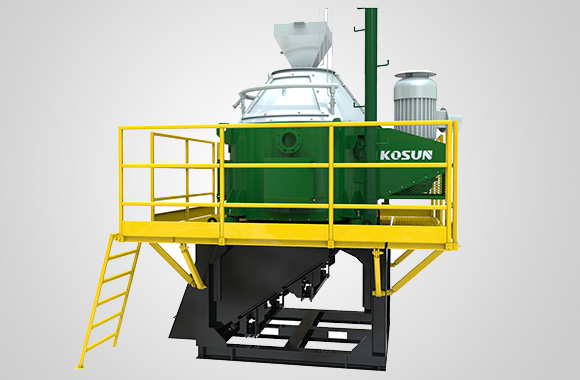
1. Agricultural resource utilization of sludge
If the sludge is used for agricultural purposes, it has the advantages of low operating cost, low energy consumption and low investment, and the organic part in sludge can be converted into the modifier component in the soil, so this utilization way is taken as the most promising disposal method.
2. Building materials utilization of sludge
2.1. Cementitious materials utilization of sludge
For sludge, it often contains more ash, especially in the treatment of sludge in wastewater by coagulation method, which contains a lot of Fe and Al components, and can be used as additives of building materials.
2.2. Sludge ceramsite
For lightweight ceramsite, it is usually used as a flower covering material or as a concrete aggregate and roadbed.
2.3. Sludge brick
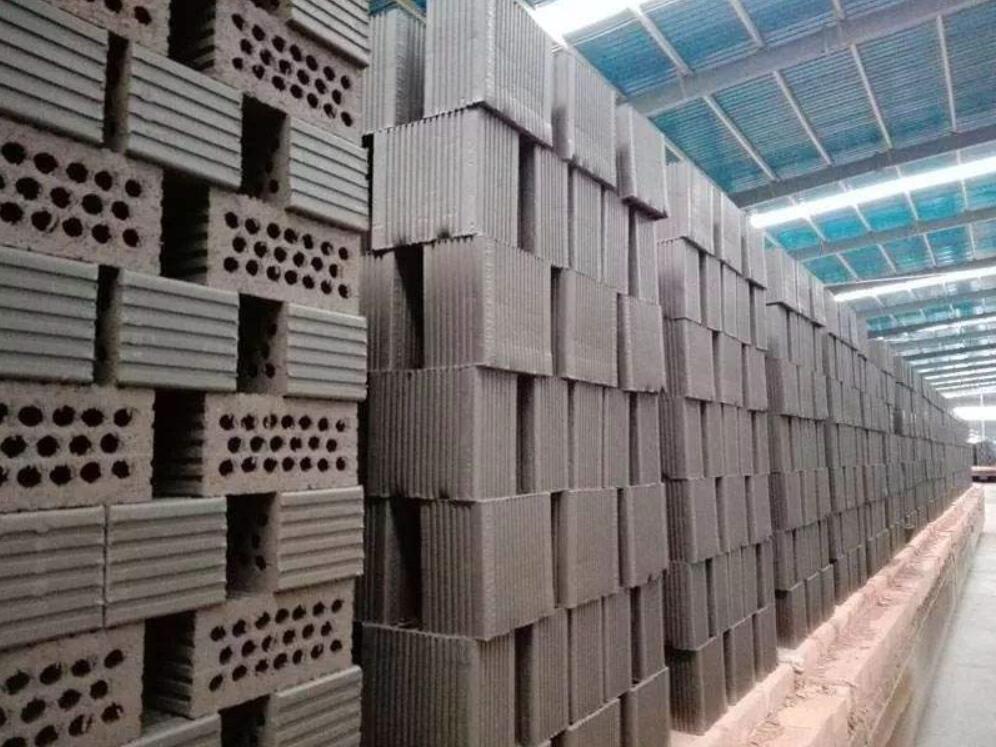
Relevant researches show that sewer sludge can be used to make ecological bricks used in construction. This kind of brick is actually made by the following process: 10% sludge is mixed into the clay and then fired at 900°C, which can optimize the effect.
3. Animal feed utilization of sludge
Sludge contains lots of corresponding substances with many useful values, such as ash content ratio of 26.1% to 46.3%, fatty acids of 0 to 3.5%, and crude protein of 28.4% to 40.8%. Therefore, it can be treated as feed protein.
4. Sludge as fuel
The sludge itself is rich in organic matter. After low-temperature carbonization of sludge, the calorific value is equivalent to lignite, so the sludge can be used as fuel with a low calorific value.
If the sludge is not treated and is directly discharged into the environment, it will be seriously harmful to the surrounding environment. After the sludge is treated harmlessly, stabilized and reduced in volume, it can be used as a valuable resource in many fields.