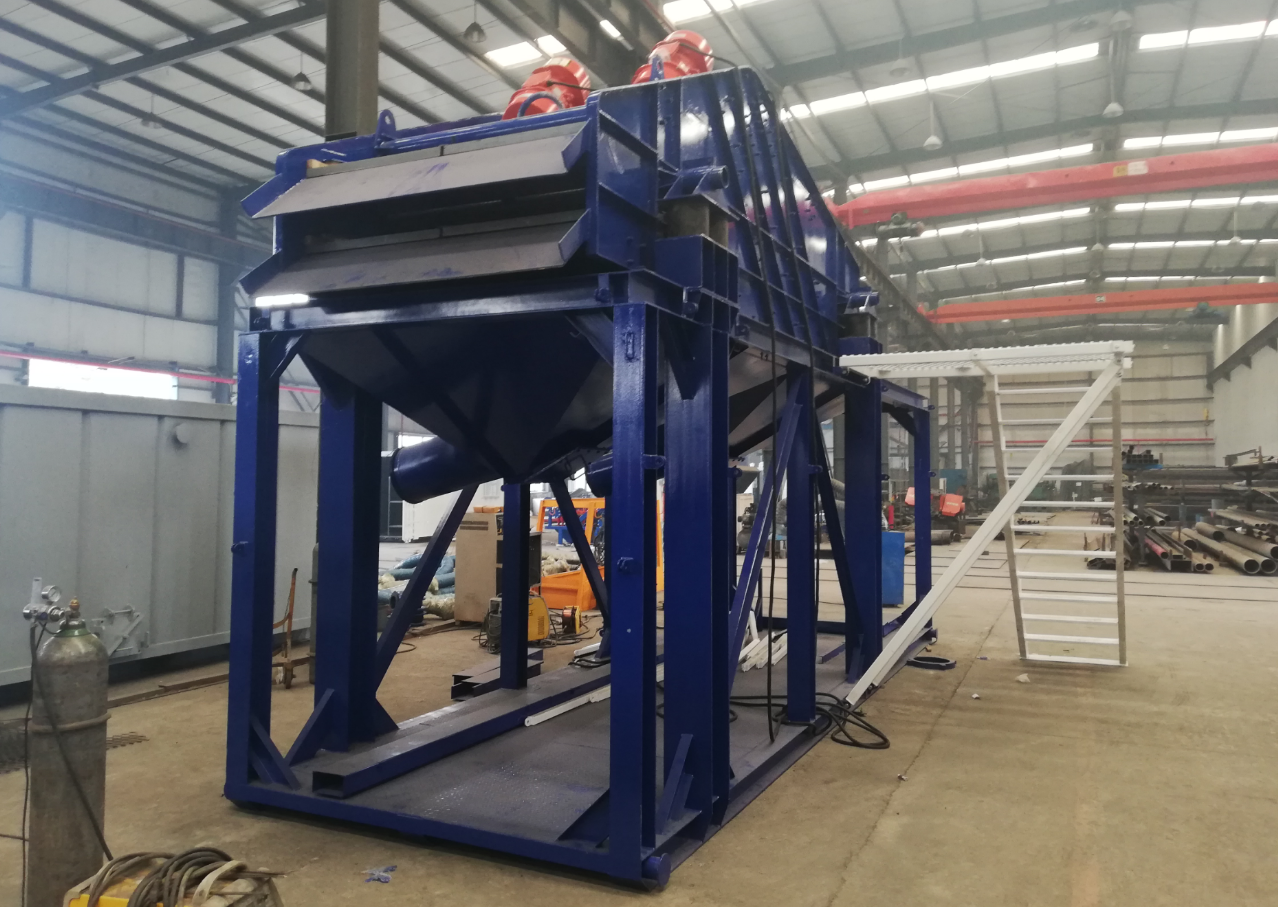



Recycling TBM residue as an urban mineral resource can greatly reduce the development of natural resources and protect the urban ecological environment, and has significant social, environmental and economic benefits. There have been a lot of attempts at home and abroad, such as using TBM residue as building materials, garden soil, etc., and certain application results have been achieved.
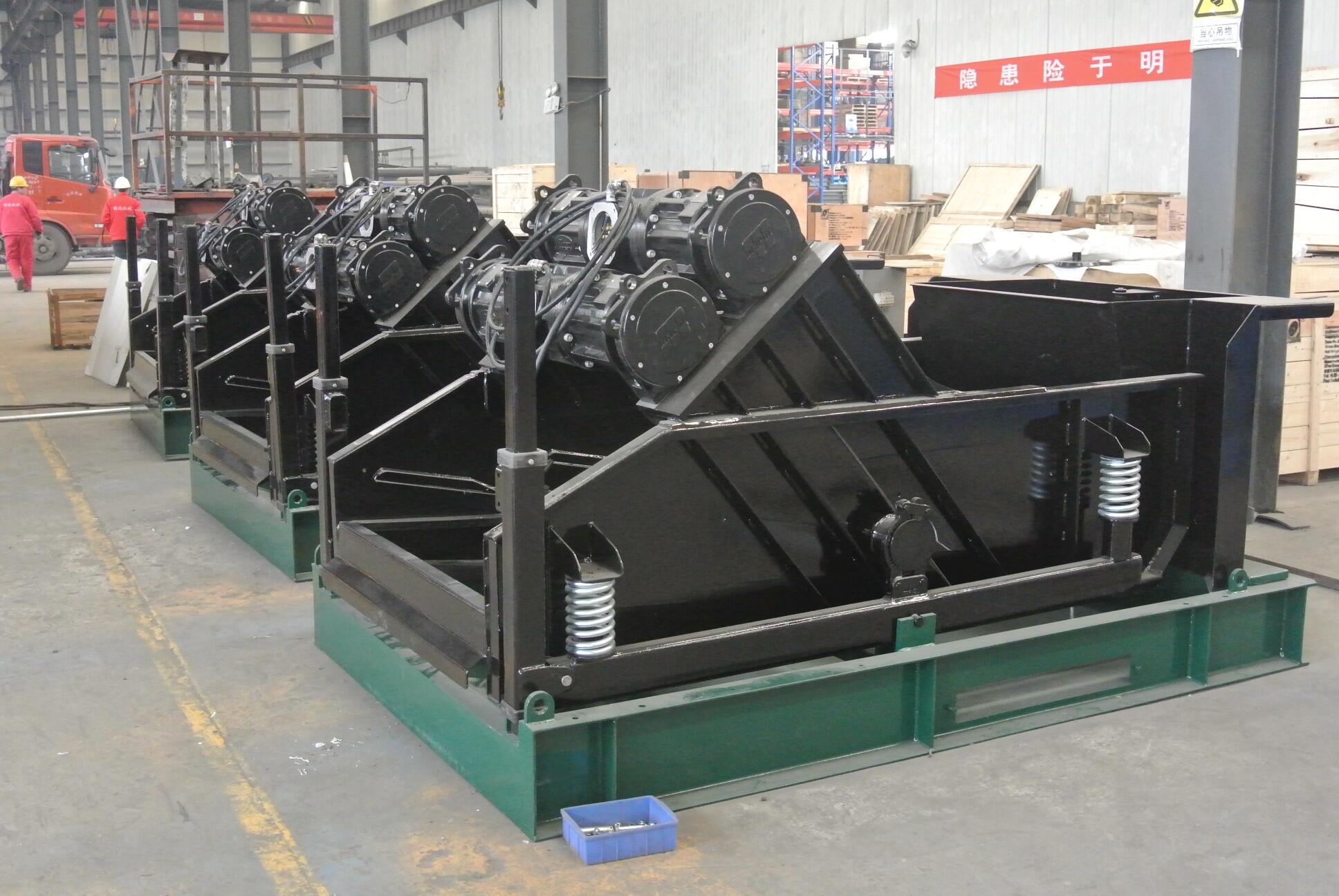
At present, in the construction of subway shields at home and abroad, there is still much space for research on the efficient separation technology of TBM residue. The existing mechanical screening technology has a relatively high cost. During the excavation of different strata, the particle size distribution of the generated residue is also different, and the practical effect is not good. It is urgent to carry out research on efficient screening technology for TBM residue. The moisture content in TBM residue is as high as 40%, and its dewatering is rather difficult. There are currently two dewatering methods commonly used in construction: one is mechanical dewatering after adding industrial agents to the slurry; the other is natural drying. The former is costly and the latter is inefficient.
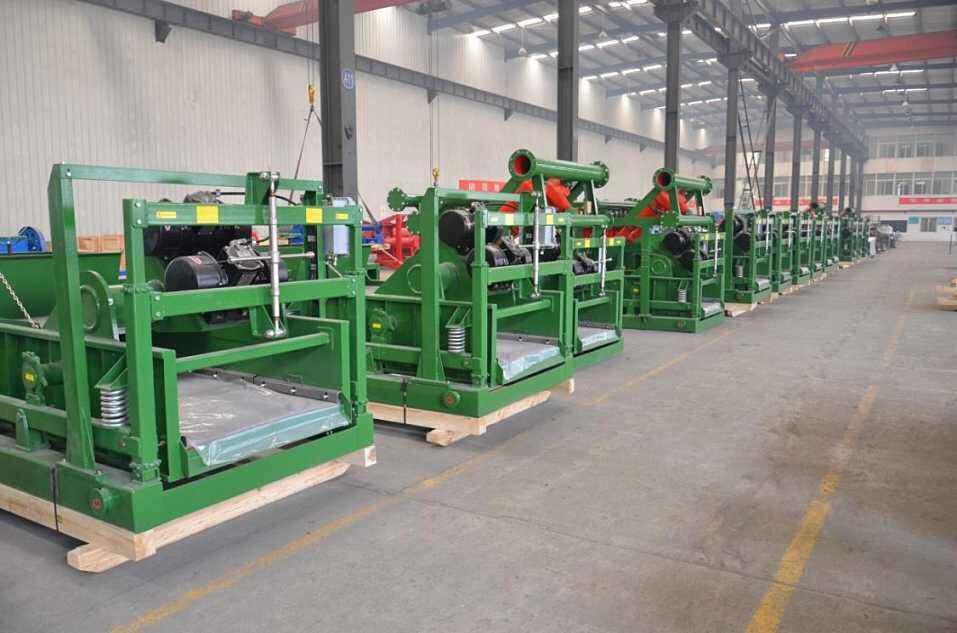
Among the industrial sludge treatment processes, there are many related dewatering technologies, which can be used for the improvement of TBM residue. Traditional techniques commonly used for sludge dewatering include drying technology, flocculation dewatering technology, incineration technology, and mechanical dewatering technology. Emerging technologies include ultrasonic dewatering technology, hydrothermal technology, electroosmosis technology, and microwave dewatering technology.