


Solid particles in drilling fluids can be classified into two major categories: harmful solids and useful solids, among which cuttings are the most significant harmful solids. Throughout the entire drilling process, cuttings can significantly affect the physical properties of the drilling fluid, leading to an increase in its density, viscosity, dynamic shear force, water loss, mud cake thickness, abrasiveness, viscosity and flow resistance. In addition, cuttings can also cause damage to oil and gas layers, reduce the mechanical drilling rate, increase the torque of the turntable, and lead to complex downhole situations such as obstructions during drilling and lowering, stuck sticking, well leakage, and even blowouts. Meanwhile, the presence of a large amount of rock debris will also accelerate the wear and tear of the equipment in the circulation system.
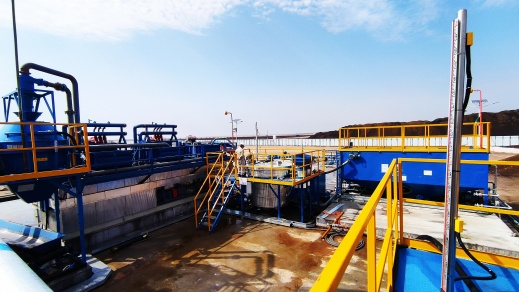
The role of the solids control system
The main function of the solid control system is to efficiently remove harmful solids from the drilling fluid while retaining useful solids as much as possible to ensure that the performance of the drilling fluid meets the requirements of the drilling process. Among various solid control methods, mechanical removal is currently the most economical and efficient treatment approach.
Main solid control equipment
The commonly used solid control equipment mainly includes vibrating screens, desanders, desilters, centrifuges and degasifiers. These devices respectively target solid particles of different particle size ranges to achieve classification treatment, thereby enhancing the overall solid control efficiency.
System integration and optimization
The solid control system is not merely a simple superposition of individual devices, but rather an integrated whole formed by scientifically combining various solid control devices in accordance with the requirements of the drilling fluid purification process. Reasonable configuration and coordinated operation can significantly enhance the removal effect of harmful solid phases and ensure the safe and efficient progress of drilling operations.
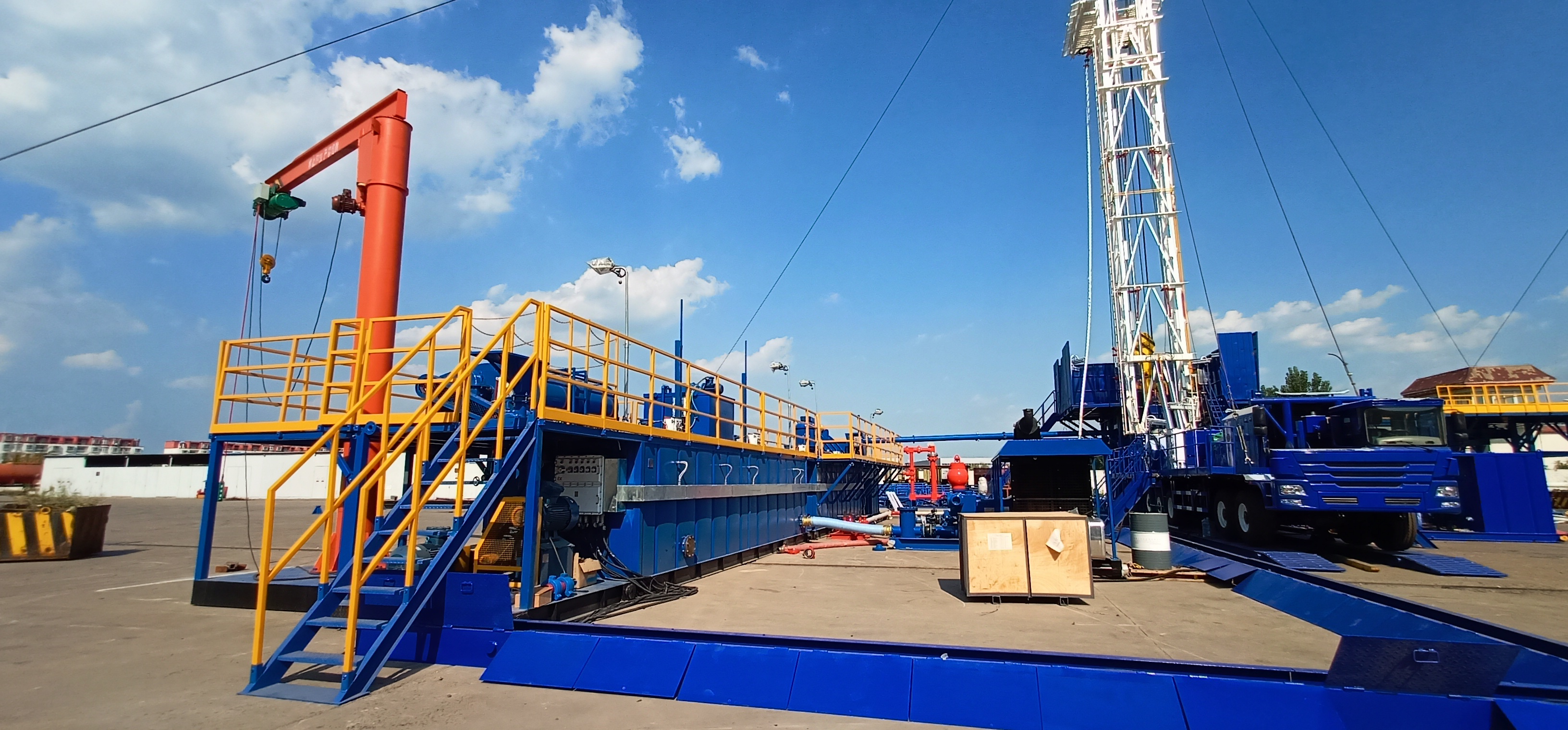
The advantages of Kosun Solid Control System:
1. High-efficiency classification treatment: A multi-stage combination of vibrating screens, desanders, desilters and centrifuges is adopted to achieve precise removal of solid particles of different sizes step by step, significantly enhancing the efficiency of solid control.
2. Intelligent coordinated control: Through system integration and optimization, the best coordination among various devices is achieved, which can not only effectively remove harmful solid phases but also retain useful solid phases to the greatest extent.
3. Durable and reliable design: The equipment is made of wear-resistant materials and has a sturdy structure, which can adapt to harsh drilling environments and ensure long-term continuous and stable operation.
4. Energy conservation and environmental protection features: The optimized system design reduces energy consumption and effectively controls drilling waste, meeting environmental protection requirements.
5. Strong adaptability: The system configuration and operating parameters can be flexibly adjusted according to different drilling conditions and drilling fluid performance requirements.