

Industry Update

Industry news, technical insights, and updates on solids control, mud treatment, and waste management.

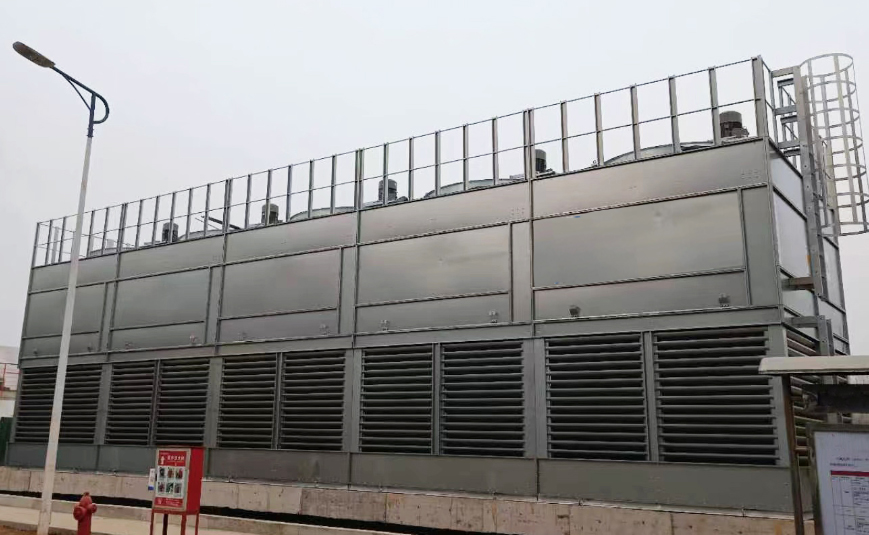
Drilling Mud Cooling System: Essential Technology for Optimal Drilling Performance

Maintain Peak Efficiency with Advanced Mud Temperature Control In demanding drilling operationswhether for oil gas, geothermal, or deepwater exploration maintaining proper drilling mud temperature is critical for equipment safety, operational efficiency, and wellbore stability. A high-performance Drilling Mud Cooling System ensures your drilling fluids stay within optimal temperature ranges, preventing costly downtime and equipment failures. Why Is Mud Cooling Necessary? 1. Prevents Equipment Overheating Excessive heat degrades mud properties , reducing lubrication and viscosity High temperatures can damage downhole tools, pumps, and seals Prolongs the lifespan of mud motors, MWD/LWD tools, and other sensitive equipment 2. Enhances Drilling Efficiency Cooler mud maintains stable rheologica

Drilling Mud Cooling System: Essential Technology for Optimal Drilling Performance Read More »
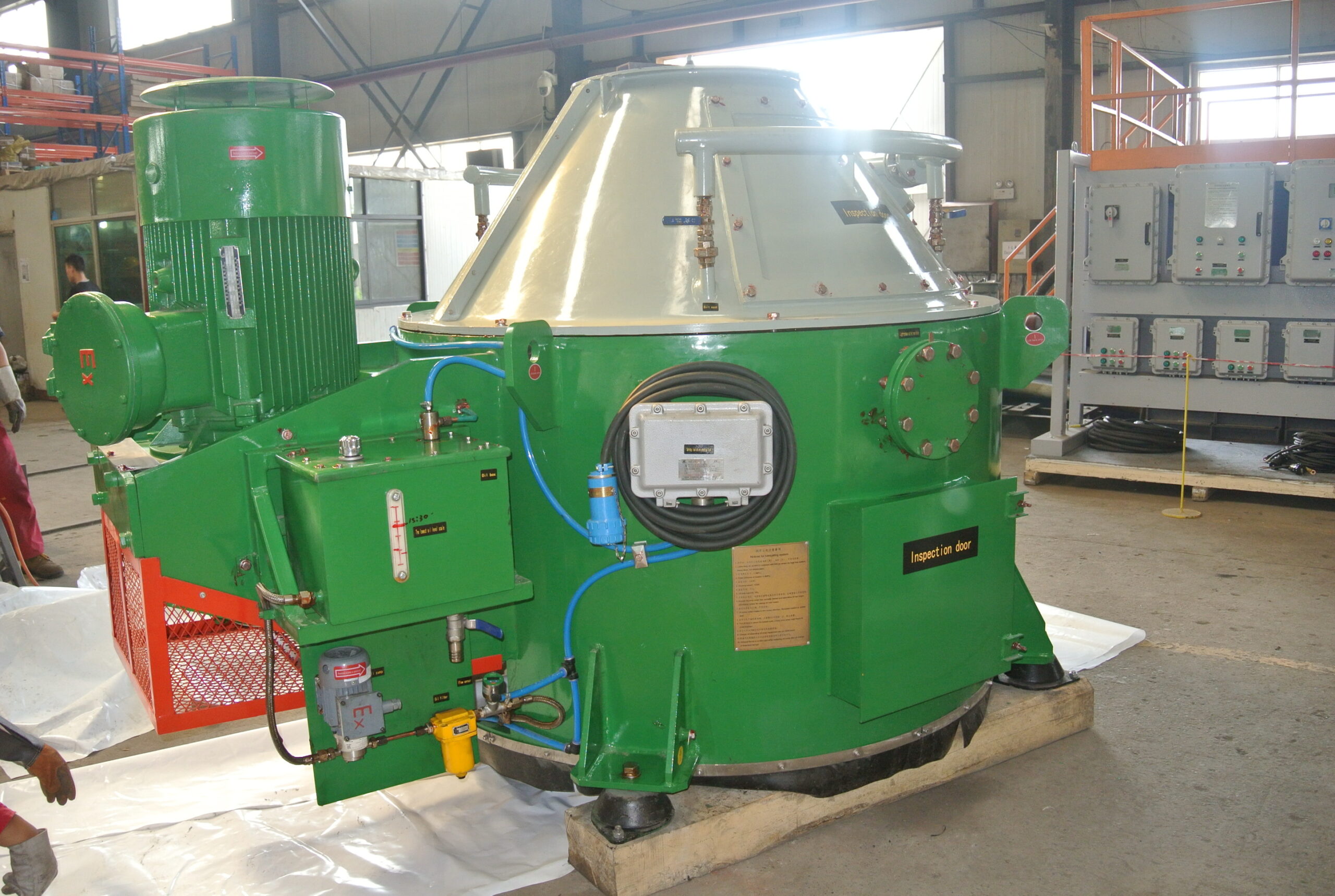
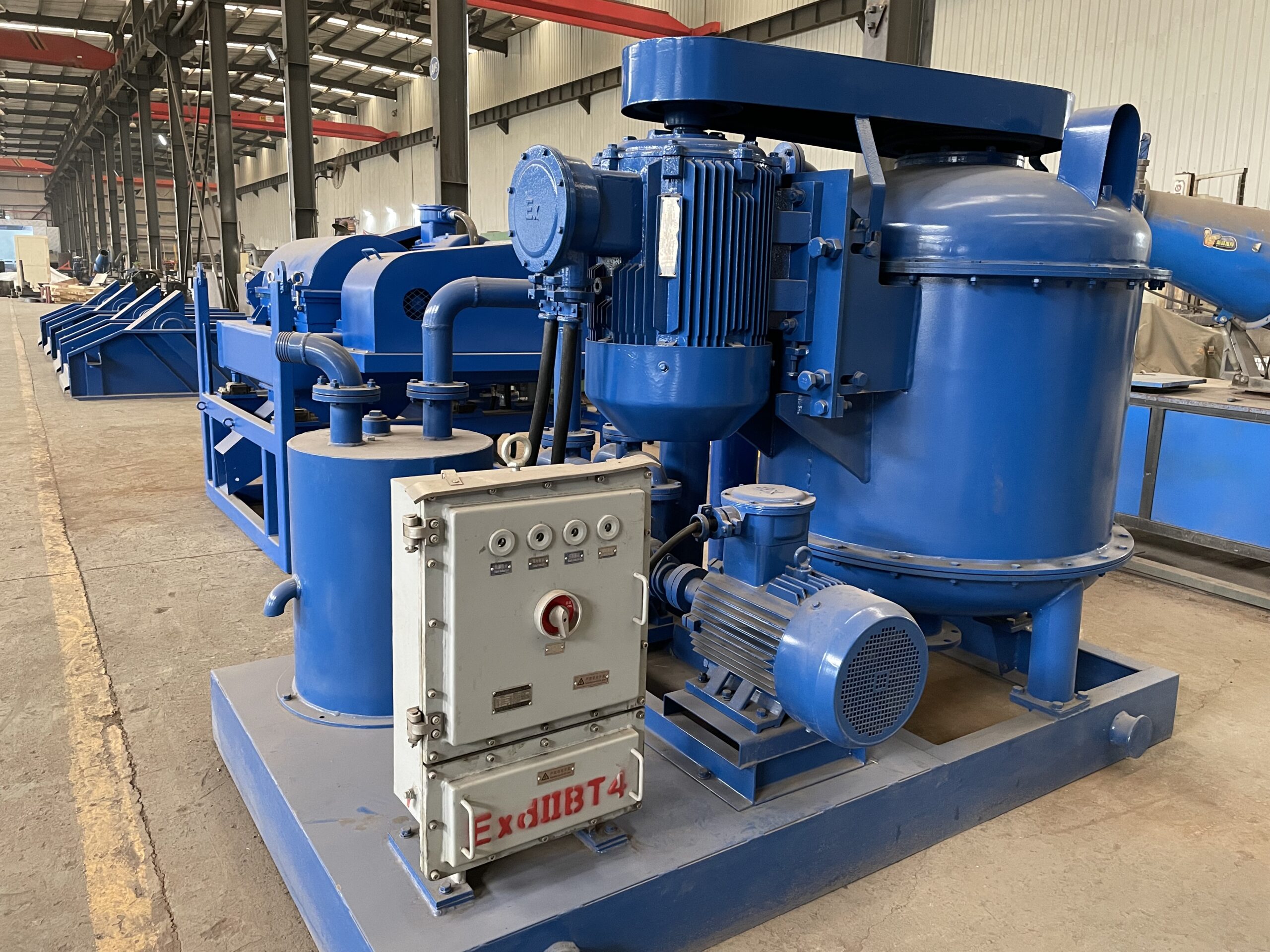
Vertical Cuttings Dryer: The Ultimate Solution for Efficient Drilling Waste Management

Revolutionizing Solids Control in the Oil Gas Industry In modern drilling operations, effective drilling waste management is crucial for both environmental compliance and cost efficiency. The Vertical Cuttings Dryer (VCD) has emerged as an essential piece of equipment in solids control systems , delivering superior performance in drilling cuttings drying and waste minimization . Why Choose a Vertical Cuttings Dryer? 1. Superior Drying Efficiency Removes up to 90% of residual drilling fluids from cuttings, significantly reducing waste disposal costs . Uses high-speed centrifugal force to separate solids from liquids, ensuring maximum recovery of oil-based mud (OBM) or water-based mud (WBM) . 2. Compact Space-Saving Design Unlike traditional horizontal cuttings dryers , the vertical design r

Vertical Cuttings Dryer: The Ultimate Solution for Efficient Drilling Waste Management Read More »

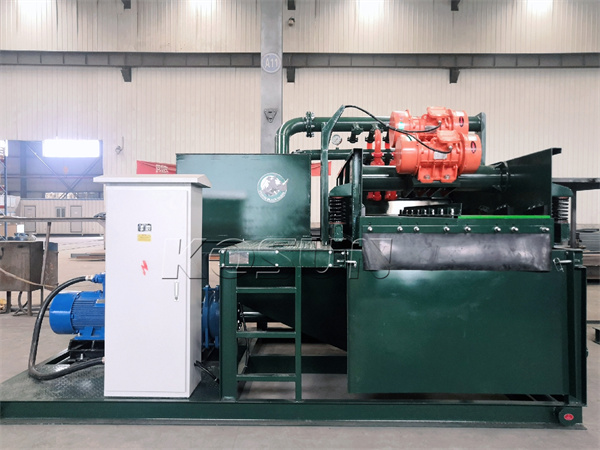
What’s the thermal desorption technology in treating the oil based mud drilled cuttings?

Thermal Desorption applies heat to the Oil Based Mud Drilled Cuttings while isolating the flame from the cuttings. The oil vapor is isolated, so it can be recovered, condensed, and recycled, eliminating long-term liability. The cuttings are heated up indirectly in a large diameter, rotating dryer, with the contaminants being vaporized, as the cuttings move forward through the dryer to discharge. A high temperature separator filters vapors, removing dust and leaving recovered oil clean. Vapors are then condensed to a liquid phase and are processed through an oil/water separation system. Recovered water is used to re-hydrate the cleaned cuttings while the recovered oil is used in new mud or fuel in the burners.

The system in the market specifically designed for treating oil based cutting

What’s the thermal desorption technology in treating the oil based mud drilled cuttings? Read More »

Introduction to trenchless pipe jacking.

Pipe jacking engineering is a trenchless underground pipeline construction technology, which is mainly used to lay or replace underground pipelines without damaging the ground structure. The so-called pipe jacking is to use the jacking force generated by the jacking equipment (such as the main top cylinder, trunk, etc.) in the working pit to overcome the friction between the pipeline and the surrounding soil, and push the pipeline into the soil according to the design slope. The front end of the pipe is usually equipped with a tool pipe or a boring machine to break up the soil in front of it, and the pipe is then gradually advanced until the pipe is buried between the two pits. The role of mud in pipe jacking In jacking construction, mixing mud (generally containing bentonite, carboxymethy

Introduction to trenchless pipe jacking. Read More »

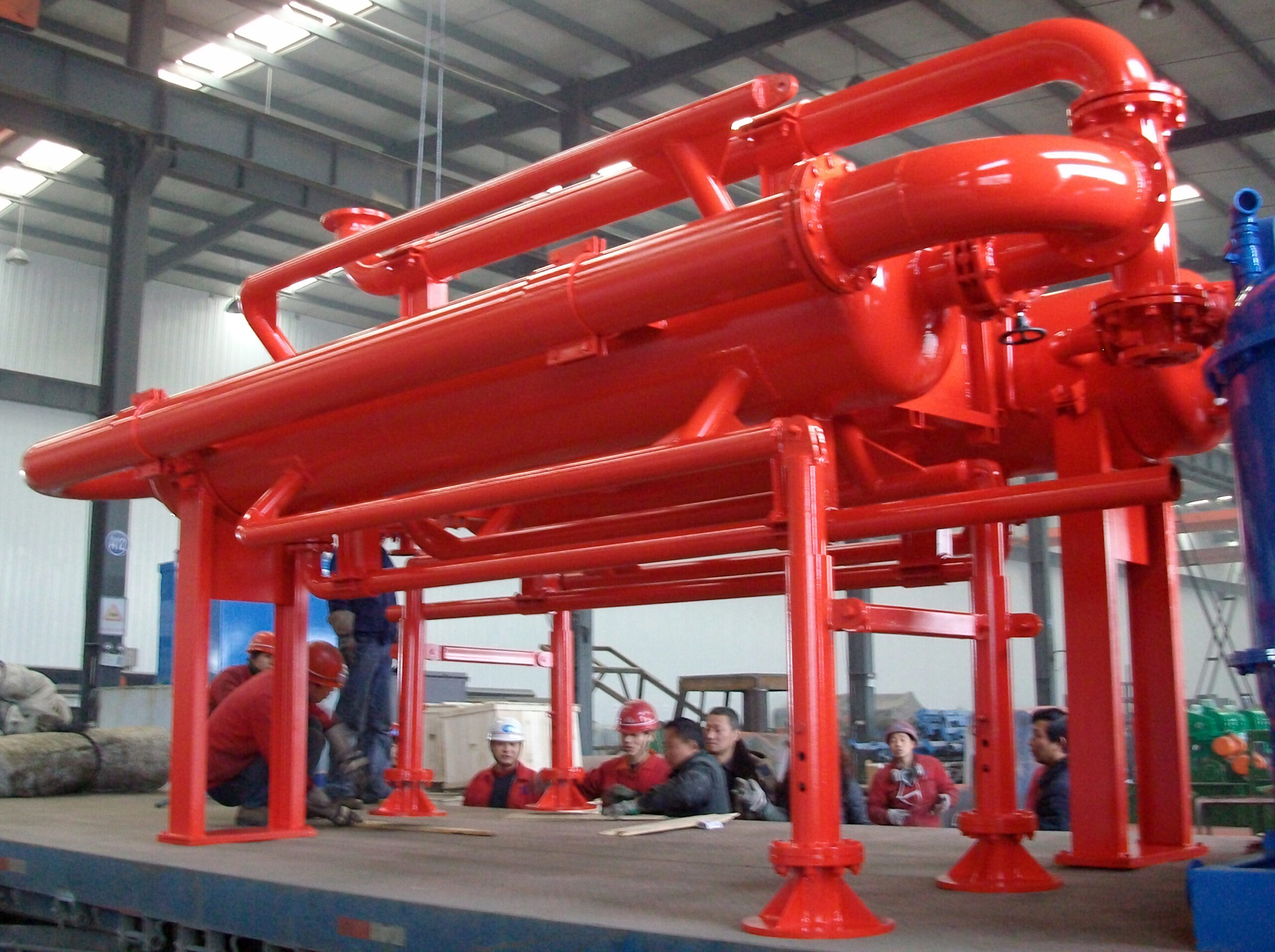
Essential Technology for Efficient Solid-Liquid Separation

A Vacuum Degasser is a critical piece of equipment in industries requiring efficient solid-liquid separation , particularly in oilfield drilling, wastewater treatment, and industrial sludge processing . By removing dissolved gases (such as methane, hydrogen sulfide, and air) from drilling fluids, slurries, and industrial liquids, vacuum degassers enhance operational safety, improve fluid performance, and prevent equipment corrosion. KOSUN specializes in high-performance vacuum degassing systems , integrating advanced engineering with eco-friendly solutions for global clients. How Does a Vacuum Degasser Work? Vacuum degassers operate on the principle of pressure reduction , creating a low-pressure environment where dissolved gases are extracted from liquids. The process involves: Suction In

Essential Technology for Efficient Solid-Liquid Separation Read More »

Sustainable Waste Management Practices for Drilling Fluids in the Oil & Gas Sector

Introduction
Drilling fluids are essential for efficient wellbore stability, lubrication, and cuttings removal in oil and gas operations. However, their disposal poses significant environmental and regulatory challenges. Effective waste management for drilling fluids is critical to minimizing ecological impact while ensuring compliance with industry standards.

Key Challenges

Sustainable Waste Management Practices for Drilling Fluids in the Oil & Gas Sector Read More »

×

Get a Free Quote