


KOSUN Delivers 90 m³/h Customized Mud Treatment System for Drilling Research Applications
KOSUN delivers a customized 90 m³/h mud treatment system for drilling research, providing solids separation, mud recycling and water reuse.
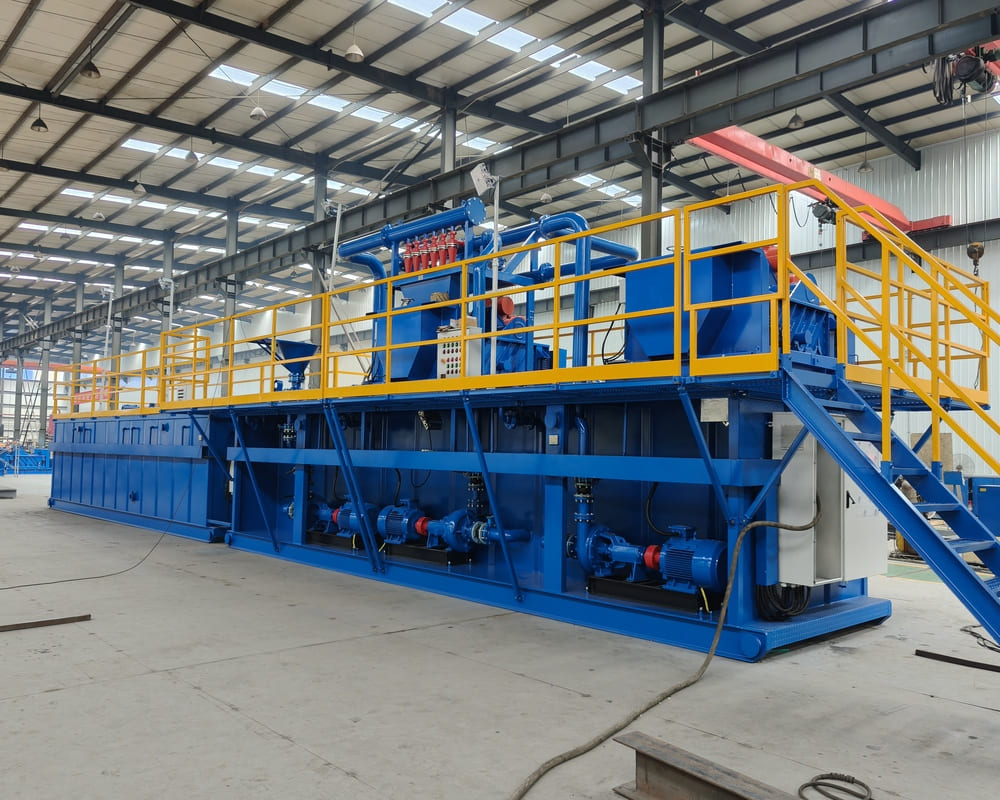
KOSUN delivers a customized 90 m³/h mud treatment system for drilling research, providing solids separation, mud recycling and water reuse.

In Horizontal Directional Drilling (HDD) operations, the terms mud recycling and mud purification are often used interchangeably, yet they serve distinct purposes. They differ in functional positioning, technical principles, and operational objectives. Based on KOSUNs equipment and industry standards, the differences can be understood through four key dimensions. Core Positioning An HDD mud recycling system serves as a closed-loop circulation platform. It collects waste slurry, transfers it for treatment, returns reusable drilling fluid to the drilling system, and manages separated solids. In essence, it coordinates slurry logistics and resource recovery. Components such as KOSUNs high-head slurry pumps and modular mud tanks enable efficient slurry collection and circulation. An HDD mud pu
HDD Mud Recycling vs. Purification: Key Differences and Complementary Roles Read More »
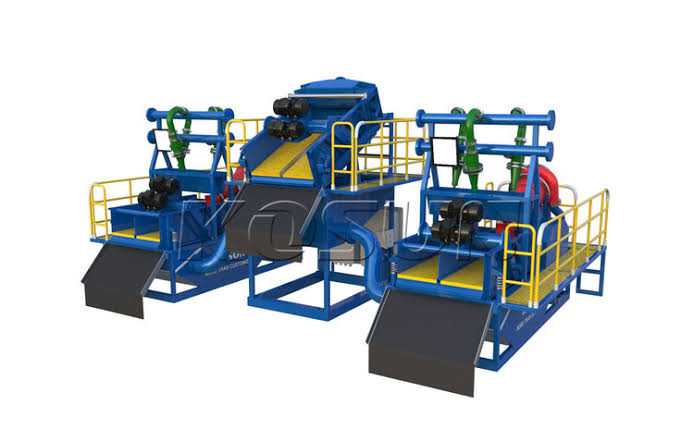
Dredging operations are essential in construction, mining, and environmental remediation, but handling the resulting slurry remains a major challenge. A slurry separation system efficiently removes solids from drilling or dredging fluids, improving operational efficiency and reducing waste. KOSUN provides advanced slurry separation systems designed to meet the demands of modern dredging projects. Types of Slurry Separators and Their Functionalities Hydrocyclones Hydrocyclones use centrifugal force to separate particles by density, making them highly effective for removing fine solids from slurry. Slurry enters a cone-shaped chamber at high speed, creating a swirling motion. The centrifugal force pushes heavier particles toward the outer wall, where they move downward and exit through the s
Slurry Separation System: Enhancing Dredging Efficiency and Performance Read More »

In the ever-evolving landscape of construction machinery, the need for innovation is paramount. As construction projects become more complex and demanding, operators seek solutions that enhance machinery performance while minimizing costs. Enter the Desander Hydrocyclone , a pivotal technology designed to separate solids from liquids, improving the efficiency of construction equipment. This article explores the mechanics and advantages of Desander Hydrocyclones , offering insights into their transformative impact on construction machinery. Benefits of Using Desander Hydrocyclones in Construction Integrating Desander Hydrocyclones into construction operations comes with a multitude of benefits: – Enhanced Performance The primary advantage is the enhancement of machinery performance. By effe
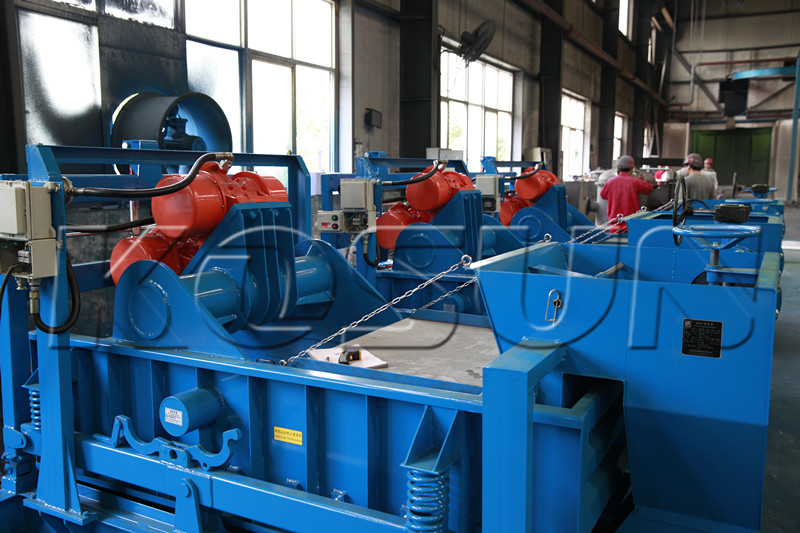
The drilling industry continues to adopt technologies that improve efficiency, reduce costs, and optimize drilling fluid management. As drilling projects become more challenging, solids control equipment must provide higher separation performance to maintain fluid quality and productivity. The Elliptical Motion shale shaker in drilling rig has become an advanced solution for improving solids separation, and KOSUN offers reliable elliptical motion shale shakers designed for demanding oilfield conditions. How an Elliptical Motion Shale Shaker Improves Solids Separation Solids removal begins with effective separation of drilled cuttings from circulating mud. This first-stage process directly affects downstream equipment performance and overall drilling efficiency. An Elliptical Motion shale s

A degasser and a mud-gas separator both remove gas from drilling mud, but they do two different jobs. A degasser is a mud-conditioning tool: it strips the small amounts of entrained gas out of the active system to protect mud weight and the cyclone fe
Degasser vs. Mud-Gas Separator: Conditioning vs. Well Control Read More »

One of the first questions KOSUN s separation experts ask prospective clients is surprisingly simple: What are you trying to accomplish? Many people answer by listing the equipment they think they need: a decanter centrifuge, a screw press, a shaker, or a filter press. However, equipment selection should come after defining the objective, not before. In most cases, the goal falls into one of two categories: dewatering or clarification. Dewatering: Maximizing Solids Dryness Dewatering focuses on producing the driest possible solids while reducing disposal volume and hauling costs. Municipal sludge, mining tailings, and industrial waste streams are common examples where maximizing cake dryness is the priority. In these applications, the goal is to minimize the liquid content of the discharge
Dewatering vs. Clarification: Key Differences in Solid-Liquid Separation Read More »

This week, KOSUNs DC355 decanter centrifuge successfully departed for Turkey. The customer, a prominent Turkish drilling equipment manufacturer, specializes in drilling machinery design, engineering geological drilling, and after-sales support. The DC
KOSUN DC355 Decanter Centrifuge Powers Turkish Oilfield Operations Read More »
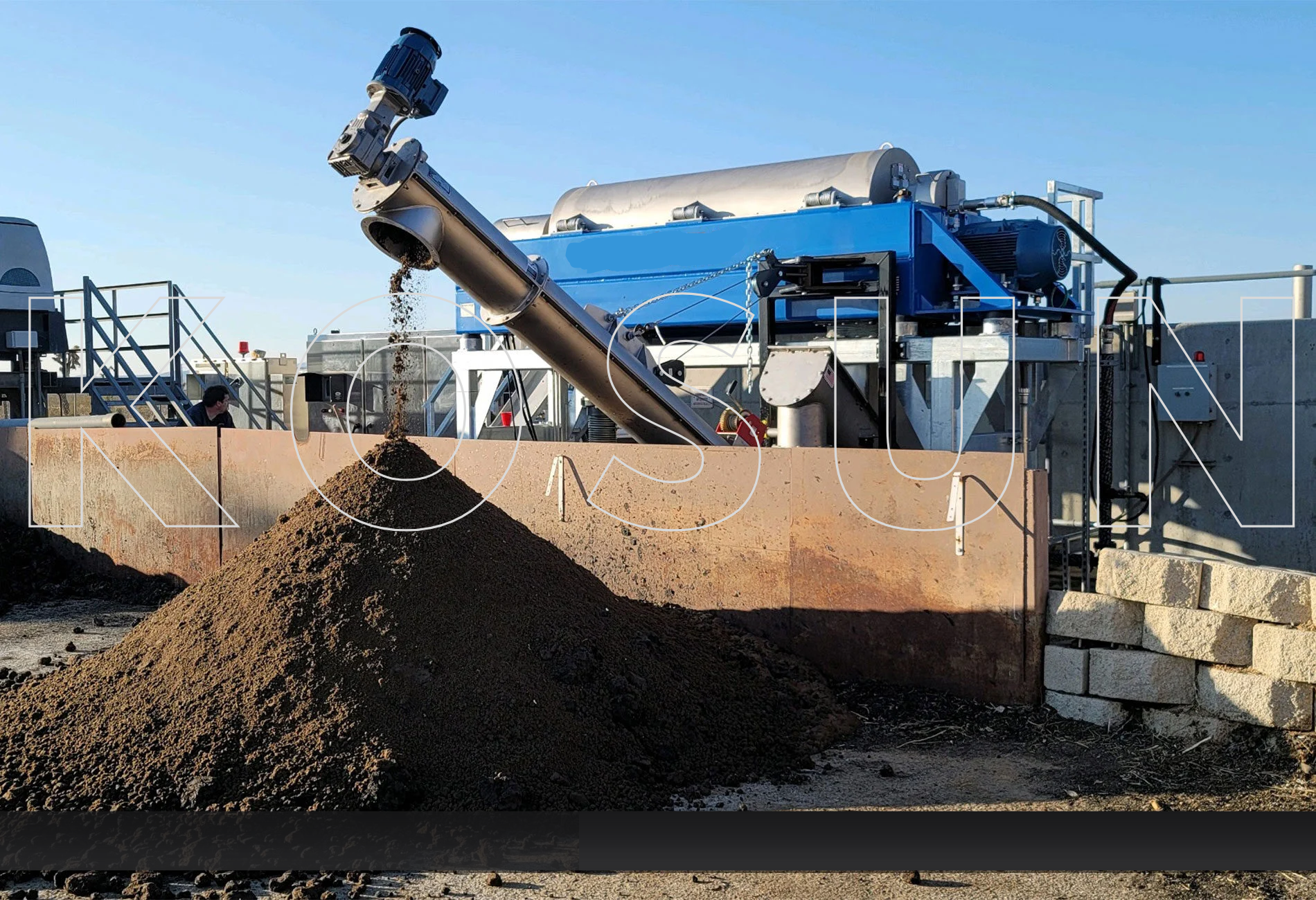
Why Choose a Decanter Centrifuge for Sludge Dewatering Applications A decanter centrifuge for sludge dewatering is widely used in industries such as wastewater treatment plants and oil refineries. It separates solid and liquid components from a mixtur
Decanter Centrifuge for Sludge Dewatering: Why Choose KOSUN Solutions Read More »