

How

Home > How

How Vacuum Technology Removes Gas from Drilling Mud

In modern drilling operations, maintaining fluid integrity is paramount to both safety and efficiency. When drilling through formations containing high-pressure gas, tiny bubbles become entrained within the drilling fluid. If these bubbles are not removed, they reduce the hydrostatic pressure of the mud column, potentially leading to a well control incident or kick. This is where vacuum technology comes into play, a critical solution for removing gas from drilling mud and restoring fluid density. The Physics Behind Vacuum Gas Removal To truly understand how vacuum technology removes gas from drilling mud, one must look at the physics of gas-cut mud. According to Henrys Law, the solubility of a gas in a liquid is directly proportional to the partial pressure of that gas above the liquid. By

How Vacuum Technology Removes Gas from Drilling Mud Read More »

How Modern Solids Control Equipment Elevates Drilling Rig Performance

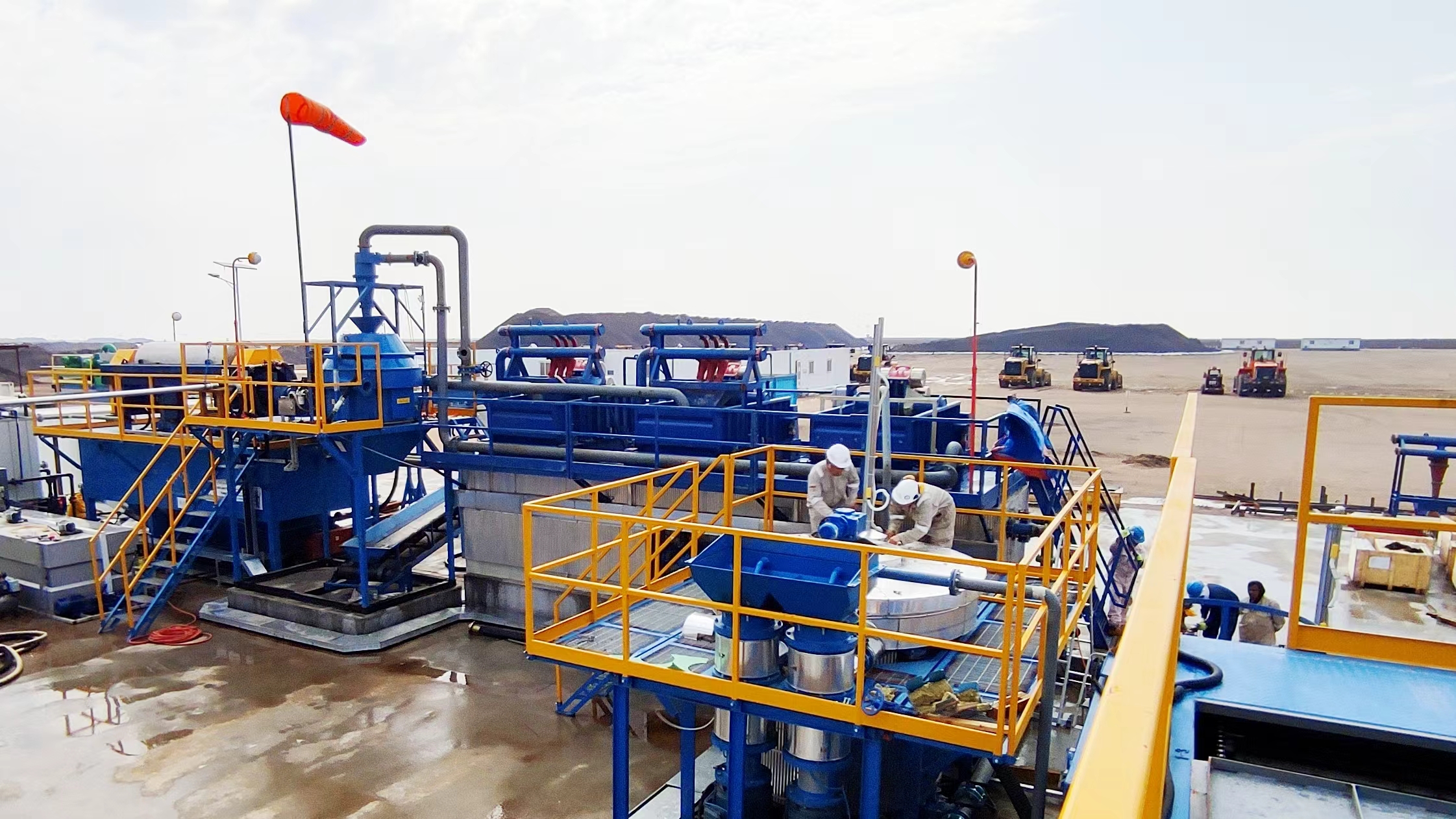
In modern energy exploration, drilling efficiency depends on effective fluid management. Drilling fluid serves as the critical link between rig mechanics and subsurface geology. As the drill bit generates cuttings, these particles can disrupt fluid performance and increase operational risks. Therefore, high-quality solids control equipment plays a vital role in maximizing productivity and minimizing non-productive time. The Mechanical Foundation of Efficient Drilling Solids Control The impact of drilling solids control becomes clear when considering the effects of poor fluid quality. Recirculated solids act as abrasive material, accelerating wear on pumps, drill strings, and MWD tools. Effective solids control relies on a staged separation process that removes particles by size. The proces

How Modern Solids Control Equipment Elevates Drilling Rig Performance Read More »

How KOSUN KSMR Series Improves HDD Drilling Efficiency and Reduces Waste

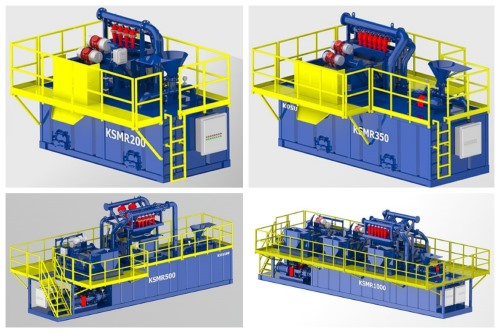
The KSMR Series HDD mud recycling system from KOSUN is specifically engineered to improve drilling efficiency, reduce waste, and lower operational costs in horizontal directional drilling (HDD), geothermal, and resource extraction projects. With over 20 years of solids control expertise, KOSUN delivers reliable mud cleaning, recovery, mixing, and storage solutions for projects ranging from 200 to 1000 GPM capacity. Whether laying a pipeline under a city or drilling a water well in a remote location, the KSMR series provides the performance you need. Compact and Efficient Design for Small to Medium Projects The KSMR-200 and KSMR-350 models are designed for small HDD, geothermal, and water well projects where space is limited and portability matters. Equipped with double-deck shale shakers,

How KOSUN KSMR Series Improves HDD Drilling Efficiency and Reduces Waste Read More »

How should the desander and desilter in the mud circulation system be reasonably combined and used

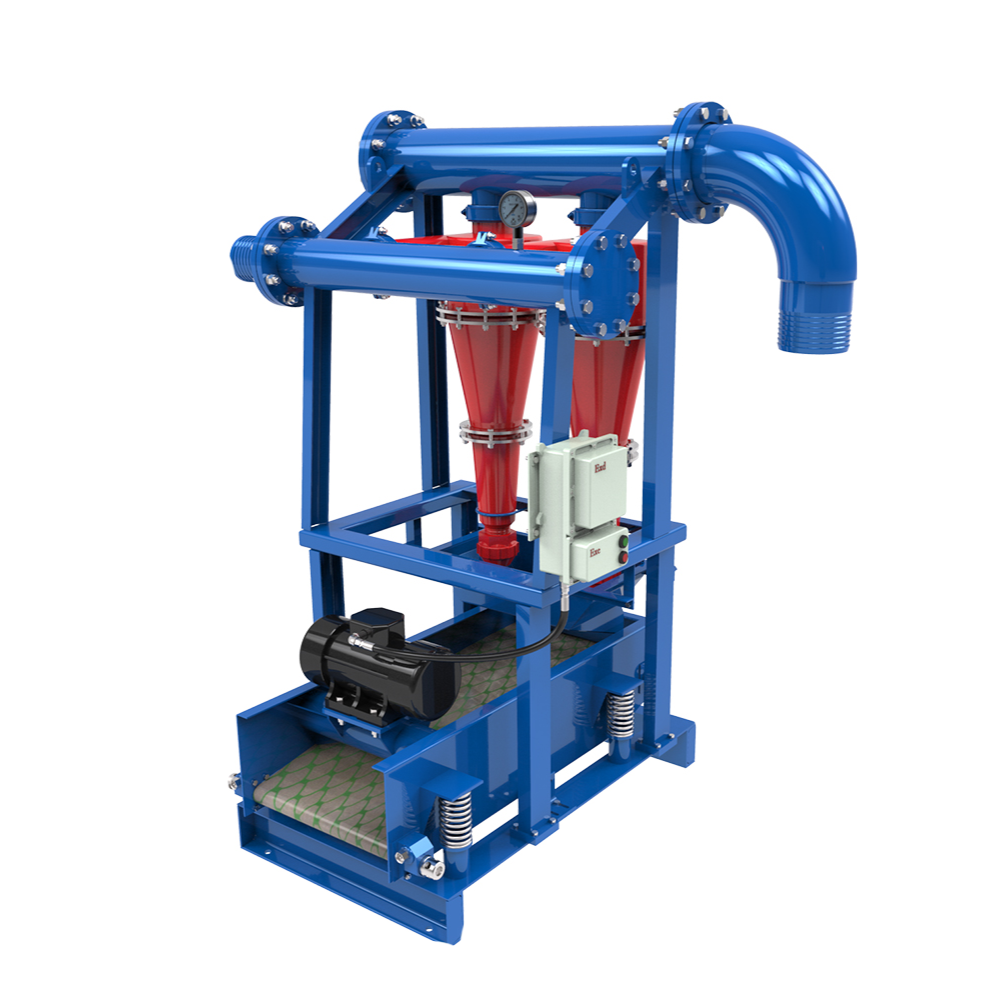
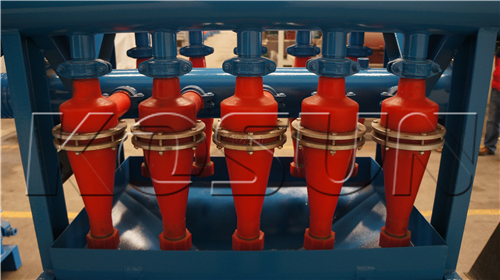
Domestic large-scale slurry circulation system manufacturing enterprises generally have the ability to design and produce cyclone desanders and slurry desilters (collectively referred to as solid control cyclones). The core performance index of the solid control cyclone is the separation particle size, which is usually represented by D50. The lower the D50 value, the better the separation effect. In terms of quality, the wear resistance of the cyclone is of vital importance. Currently, mainstream products mostly use polyurethane or high-chromium cast iron materials to ensure a longer service life.

How should the desander and desilter in the mud circulation system be reasonably combined and used Read More »

How does the oily sludge treatment equipment achieve efficient separation of oil, sludge and sand in three phases?

Oil sludge is also known as oily sludge, oil mud sand, fallen oil sludge, etc. During the drilling process, when the drilling rig is replaced and casing is extracted, oily sludge is carried out and left around the well site. This oily sludge is wrapped with various mud, sand and other impurities. It cannot be dealt with on site in time and is temporarily piled up at the well site. As it accumulates more and more, it is produced. The oily sludge comes from deep within the drilling formation and contains a large amount of toxic substances with a foul smell such as benzene series, phenols, anthracene and pyrene. If oily sludge is not treated, it will not only damage the soil and pollute the environment, but also cause a waste of resources.

How does the oily sludge treatment equipment achieve efficient separation of oil, sludge and sand in three phases? Read More »

How will sludge be treated in the future?

Local governments are the main body of responsibility for sludge treatment. As for sludge treatment, local governments need to play the role of the main body of responsibility and promote the healthy development of sludge industry. I. the government clarifies its position as the subject of responsibility. First of all, the problem of sludge should be solved as soon as possible. The sludge accumulated over the years should be disposed, and this part of sludge should be reduced and made harmless, so as not to cause adverse effects on the ecological environment again. Secondly, to deal with the newly generated sludge, the government has the right to choose the appropriate way of sludge disposal. 2.Strengthen the supervision of environmental protection and carry out the special supervision of

How will sludge be treated in the future? Read More »

×

Get a Free Quote